
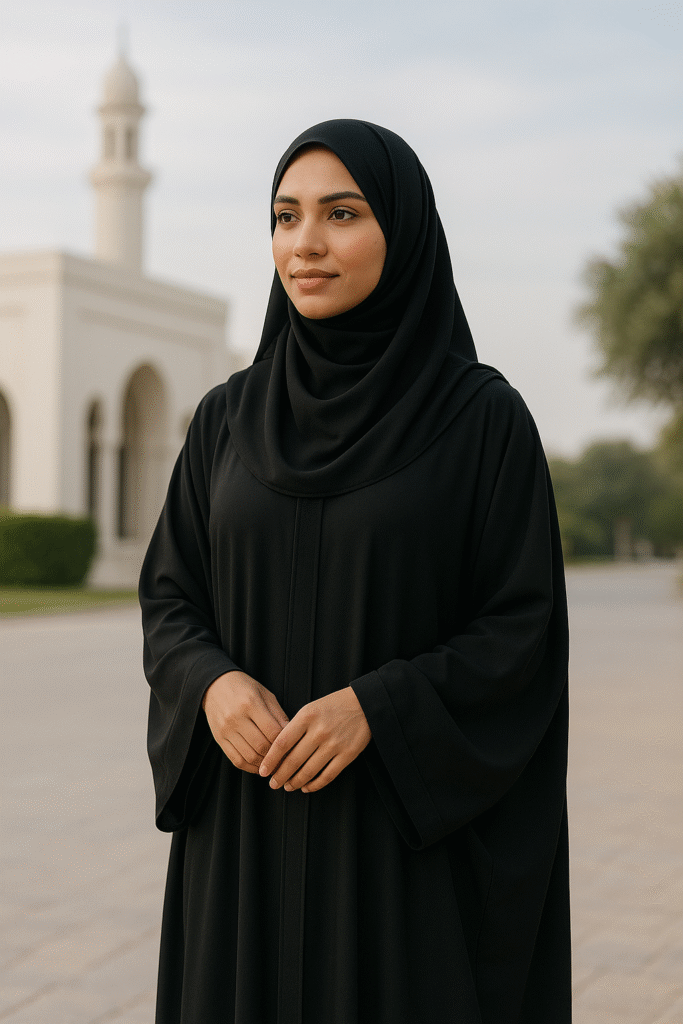
he significance of the abaya in Islam goes beyond fashion — it is a symbol of modesty, spirituality, and identity for Muslim women across the globe. In a world driven by trends, the abaya stands as a timeless expression of faith, dignity, and cultural heritage. For centuries, it has offered Muslim women a way to dress modestly while embracing their values with grace.
In this blog, we explore the spiritual meaning, cultural role, and evolving beauty of the abaya in Islamic society — and why it continues to hold such importance in modern Muslim life.
What Is an Abaya?
An abaya is a long, flowing outer garment traditionally worn by Muslim women to cover the body in a modest and dignified way. Usually black, but now available in various colors and styles, the abaya is worn over regular clothing and often paired with a hijab or niqab. While its design has evolved with time, the spiritual significance of the abaya in Islam remains strong.
The Abaya and Modesty in Islam
Modesty (ḥayāʾ) is one of the central teachings of Islam for both men and women. It extends beyond clothing to behavior, speech, and intention. The abaya in Islam plays a major role in fulfilling the Islamic dress code for women, as outlined in the Qur’an:
“O Prophet, tell your wives and your daughters and the women of the believers to bring down over themselves part of their outer garments…”
— Surah Al-Ahzab (33:59)
This verse lays the foundation for modest dressing. The abaya acts as this outer garment, helping women observe modesty, avoid unnecessary attention, and maintain dignity in public spaces.
The Spiritual Significance of the Abaya in Islam
The spiritual significance of the abaya in Islam lies in its role as an act of obedience and submission to Allah. Wearing the abaya reflects a woman’s desire to align her appearance with her inner values — humility, self-respect, and devotion.
Here are some key spiritual benefits of the abaya:
✅ It’s a daily reminder of faith.
Wearing an abaya reminds women of their connection to Allah and their responsibility to live modestly.✅ It nurtures inner peace.
Knowing you are fulfilling a divine command brings spiritual comfort and calmness.✅ It encourages self-respect.
The abaya shifts focus from physical appearance to personal character and behavior.
Cultural Importance of the Abaya in Muslim Communities
Beyond religion, the abaya is a cultural staple in many Muslim-majority countries like Saudi Arabia, UAE, and parts of North Africa. It symbolizes tradition, elegance, and unity among Muslim women. While styles may vary by region, the significance of the abaya in Islam as a modest and respectful garment remains unchanged.
In recent years, designers have introduced modern abayas with intricate embroidery, open-front styles, and luxury fabrics — showing that modesty and beauty can coexist. Today’s abaya is not only a garment of faith but a statement of identity and pride.
Why Muslim Women Choose to Wear the Abaya
Many women today continue to wear the abaya not out of compulsion, but out of conviction. Here’s why:
🌙 It’s an expression of faith
💫 It offers modest coverage without sacrificing elegance
💼 It’s versatile for all occasions — from work to weddings
🌍 It connects women to Islamic tradition and global sisterhood
At NoorStyles, we believe every woman deserves to feel confident and covered. That’s why we offer a wide variety of abayas — from classic black styles to modern, embellished designs — to suit every personality and purpose.
Conclusion: A Symbol of Grace and Devotion
The significance of the abaya in Islam cannot be overstated. It is a powerful symbol of modesty, piety, and cultural pride. In every thread and fold, the abaya reflects a woman’s commitment to her values and her Creator.
Whether you are new to wearing the abaya or have embraced it for years, remember: it’s more than a garment — it’s a reflection of your strength, serenity, and spiritual identity.